CRFB Floats “Break Glass Plan" for Next Economic Shock
With our national debt currently at 100 percent of Gross Domestic Product (GDP), America has never entered any kind of economic emergency as indebted as we are today. And it is highly likely that we will come out of the next downturn in even worse fiscal shape than we are already in.
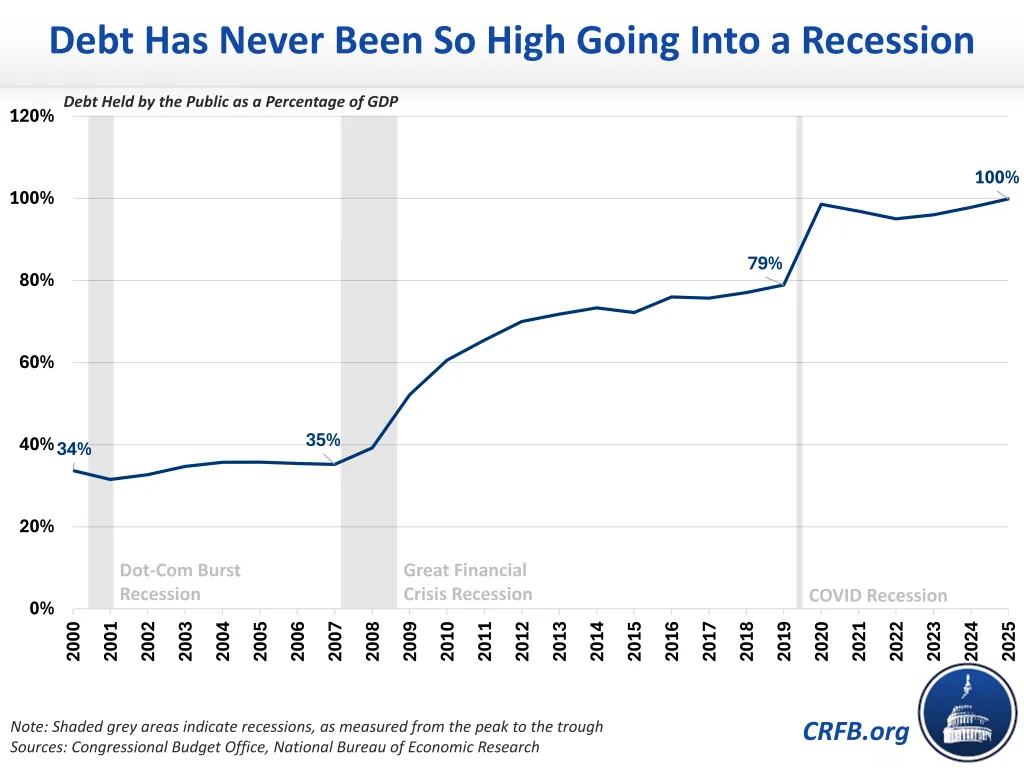
Policymakers should have an in-case-of-emergency plan ready to go that would help guide them in responding to an economic shock in a way that mitigates a downturn while ensuring that the fiscal situation is improved rather than worsened.
CRFB released a “Break Glass Plan” this week at an event held by the Brookings Institution.
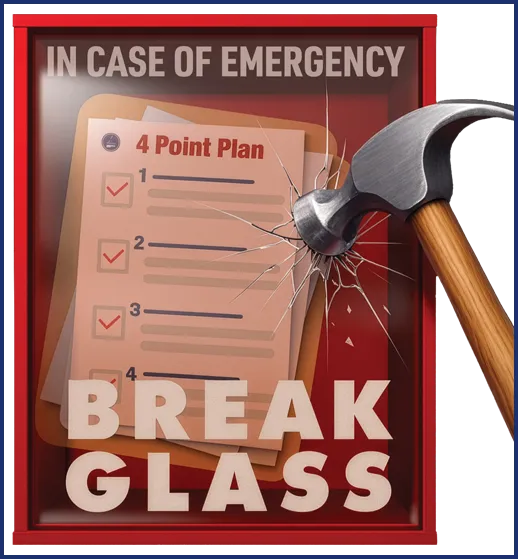
The “Break Glass Plan” includes:
- A near-term policy response tailored to the specific nature of the crisis.
- A longer-term package of bipartisan offsets that would save $2 for every $1 of deficit increase from the near-term policy response to create a down payment on deficit reduction.
- A default deficit reduction mechanism to freeze the indexing of most spending and tax parameters, hold appropriations levels flat, and phase in a “Deficit Reduction Surtax” – which would help put the deficit on a glide path to 3 percent of GDP.
- A fiscal commission charged with replacing the default deficit reduction mechanism with more carefully thought-out and tailored measures that achieve at least as much long-term deficit reduction.
While the specifics of any response will depend on the nature of the emergency, it is important that it be well targeted and right-sized to the needs of the particular recession – lawmakers should not repackage their favorite policies and call them stimulus. Any near-term borrowing should be more than offset over time in order to reassure markets and households that the country does not intend to go deeper into debt as it has after past emergencies.
Perhaps more importantly, actual deficit reduction should be automatically phased in as the emergency subsides. The debt is currently on an unsustainable trajectory, leaving the country with little fiscal space to respond to the next emergency and putting us at risk of a fiscal crisis.
Given the United States’ high and rising national debt – and the vulnerability to fiscal changes caused by a national emergency – it is important for policymakers to plan ahead. A “Break Glass Plan” would provide them with the tools necessary to do so.
The Committee for a Responsible Federal Budget will soon be releasing more details as to what that plan will look like.
What's Next
-
Image

-
Image

-
Image